
Product-ive roadmapping for the holiday slowdown
As we head into the end-of-year home stretch and the inevitably slower holiday period, I decided to make some roadmap adjustments to ensure we would finish the year strong.
The Product Decision: Line up a collection of smaller stories, projects, and research to advance roadmap initiatives and to keep the teams productive.

Flickr image source: http://tinyurl.com/q6koct4
As we head into the end-of-year home stretch and the inevitably slower holiday period, I decided to make some roadmap adjustments to ensure we would finish the year strong.
It is difficult for any team to plan well for last few weeks of the year. Even if your business doesn't align with the traditional calendar year, you are likely to be working with customers, partners, and vendors who do scramble to wrap up their quarters and annual cycles at year's end.
On top of that, many of your employees are requesting time off from work leaving sizable gaps in the schedule. And you can just give up on trying to arrange any real business-related travel plans, e.g. to visit customers or to conduct on-site interviews.
With all the distractions that come with the holiday period, I began to ask myself how I could make the most of these remaining weeks of the year.
What drove this decision
We had been moving at a nice clip for the past few months. I was proud of the work being cranked out by the Product and Tech teams. We had achieved some good momentum and I was eager to preserve as much of that as I could. Many of the current projects would naturally extend into the early part of next year and I was determined to minimize any slow down around these particular initiatives.
We had achieved some good momentum and I was eager to preserve as much of that as I could.
But I also knew that it would be difficult for teams to coordinate larger tasks if their coworkers' schedules were inconsistent. With all that in mind, I took another look at the product roadmap to optimize our efforts for the last few sprints of the year.
The decision: Line up a collection of smaller stories, projects, and research to advance roadmap initiatives and to keep the teams productive.
I don't want to make it sound like the teams would otherwise be idle. We had just deployed our last major release of the year and I knew we would have some post-release work to tackle. For example, it was going to take some team coordination to gradually and prudently roll out some of the latest enhancements to the full customer base. Then there was the need to respond to users who would be wrestling with the most recent product changes. And of course, we are always prepared to deal with any bugs that may have slipped through.
The real challenge for me was to identify new product work that we could take on and to fit it into our irregular schedule.
Plan of attack
My goal was to maximize the collective team utilization and minimize any dead spots in the upcoming calendar. No one would be satisfied with blatant busy work and yet, it would be difficult to make much tangible progress on any new product initiative. I, more than anyone, wanted to feel like we had been productive during this time.
I determined that no one solution was going to work so to increase my chances of success, I ended up using several different approaches simultaneously. In the end, I was able to surface a number of smaller-scale projects to accommodate the various gaps in the teams' schedules.
Lay the remaining groundwork for next year's new product offering
Over the last 8-10 months, we had been working on a number of smaller, separate initiatives that were intended to fit together to create a larger, cohesive feature set. However, unless you had been working closely with the Product team, it would be difficult to see how the individual building blocks we had been delivering over many releases were meant to come together. This was the time to explain the broader vision.
I began by updating the product roadmap to illustrate how we would piece together 4 or 5 of the individual initiatives to create a major new offering to be rolled out in the early part of next year. Then, I scheduled new stories that would ultimately combine the separate components into a new whole. I had already convinced myself that this was going to be a thing of beauty but of course, I have been wrong before!
After we had finished connecting the dots (and bytes) and had painted the whole picture, we would be able to move forward by putting it in front of our users. I would continue to validate the new offering by testing it with our internal stakeholders, with customers in our Labs program and finally with prospects in the Sales funnel.
Tee up a list of discretionary items to fill downtime
Without even looking closely at the calendar, I knew we would have a week or so before the start of January where the Engineering ranks would be somewhat thin. My counterpart overseeing Engineering agreed that we could declare a "free sprint" where the developers would have more latitude in how they spent their time in the office.
I had a decent backlog of research topics that I lined up in case the well of ideas ran dry but I was pretty sure the developers would surface their own pet projects to keep themselves occupied. We continue to see some forward-thinking proposals come up through Engineering and I certainly wanted to encourage more of that activity.
I was pretty sure the developers would surface their own pet projects to keep themselves occupied.
There were, in fact, a few out-of-band product initiatives that were already in motion, and all in different stages of completeness. Those Tech Team members that had expressed an interest in exploring extracurricular material had been encouraged to do so with the intention of tying the work back to short- and/or long-term customer value. Based on the success of those efforts, I could easily extend the initiatives and even stage a few more to follow.
Swap in some overdue projects to tackle technical debt
The company has had a banner year in terms of acquiring new customers. But the reality of growing your customer base and increasing the number of users/transactions on your platform is that scale-related challenges bubble to the top. Inevitably, I would need to schedule some cycles for the less glamorous housekeeping activities.
Every software company has technical debt and it requires discipline to stay on top of that debt. I am always grateful to find those few Engineers that appreciate the value of cleaning up and are quick to roll up their sleeves (can you roll up t-shirts sleeves?) and pitch in to help. We would use this end of the year time to tackle a few of these efforts as well.
The impact
It can be tricky for a Product Manager to figure out how to best utilize the weeks at the end of the calendar year. I looked for some small, but important projects that would move us forward but that had few, if any dependencies to avoid schedule impediments.
In using these three approaches: the free sprint, more "groundwork" stories needed to assemble the next product offering, and addressing technical debt, I was able to stock the upcoming sprints with productive work and reduce everyone's concerns about holiday dead time.
Look for more reports from theProductPath around capacity planning, roadmap planning, and managing product teams here on PM Decisions.
More articles from our blog PM Decisions



Call in reinforcements to advance product initiatives
In recognizing that my internal team members did not have the time and/or expertise to help with a few of our upcoming and impactful product initiatives, I decided to reach outside the company and use trusted resources to temporarily expand my team.
The Product Decision: Recruit available experts from the company's extended circle of trusted colleagues to help tackle a few pressing product engagements.

Flickr image source: http://tinyurl.com/o7u8mc2
In recognizing that my internal team members did not have the time and/or expertise to help with a few of our upcoming and impactful product initiatives, I decided to reach outside the company and use trusted resources to temporarily expand my team.
My team has been working at full capacity and is focused on the exact right priorities to continue delivering strong product releases to our customers. There is always more work to do though and sometimes business priorities stretch beyond the team's existing capacity.
There are also budget constraints that are preventing me from expanding my team in a way that would help me address the projects that have bubbled to the top of the company's wish list.
What drove this decision
Good problem solvers can find creative ways to get around roadblocks. I was grappling with a backlog that was starting to look increasingly daunting and could not rely on the familiar and dependable resources that were tied up with other important work.
So I took some time to review the most pressing items and determined that there were opportunities to make short-term progress that would relieve a bit of the pressure. We could find the resources just outside the company's borders and engage the expertise we needed to catch up.
The decision: Recruit available experts from the company's extended circle of trusted colleagues to help tackle a few pressing product engagements.

Flickr image source: http://tinyurl.com/p3nuhy6
We all know smart, dependable people and we try to hire them to permanently join our teams when we have the chance. But these are highly sought-after resources and it's not feasible to hire all of them - how many organizations need 5 senior-level specialists in given functional area? And besides, many of them have already been scooped up by other lucky companies and are happily employed in good positions.
But sometimes, you can catch these folks between gigs and if the stars are aligned, you will have the opportunity to pull them into your group, even if it's only for a brief period of time. I was fortunate enough to have several of those opportunities at the same time and decided to act so I could move forward with my product plans.
Plan of attack
I had been mentally cataloging important projects that were product-related but would not be easy to fold into the main product work stream. Most fell somewhere between must have and nice to have. So to improve my chances of being able to outsource these initiatives to interim resources, I adjusted the scope for each by decomposing larger efforts into smaller increments with shorter iterations to better accommodate less predictable schedules.
As I continued to network with smart product people outside my company I had been on the lookout for available resources with the specific projects in mind. This week, I was able to pull in some strong people to tackle a few of my projects. Coincidentally, each had recently switched into job hunting mode and were delighted to have some part-time assignments to fill the gaps between recruiting activities.
I seized the moment(s) and put them to work immediately to start these three projects:
Build a plan to move from proof-of-concept to prototype
There is a new product proposal that has been gnawing at me for the better part of a year now. I've written about it before (see here) as it continued to gain steam (see here) despite my attempts to slow it down (see here).
This is not the time to argue the merits of this particular proposal but in the spirit of compromise, I have agreed to take the next step in building a true working prototype from the previous proof-of-concept. I was prompted more by the additional learning we could achieve around the technical feasibility than I was in gathering important user insights from an interactive, UX prototype (that would most certainly come later).
I found a talented and credible Product Manager to lead this technical prototype project and paired him up with an expert from one of our technology partners as well as with one of our own Engineers. Collectively, we reviewed the project's scope and made only a few small tweaks to build a 30-day plan that was mostly likely to deliver the outcome.
Revamp product documentation
I don't think I'm stretching the truth when I say that the Product and Tech teams have collectively stepped up our game this year. In addition to reducing the duration of our release cycle to deliver more updates more frequently, we have also focused on pushing out more high priority feature enhancements that are based on direct customer feedback.
What we haven't done well is keep up with all the supplemental collateral that typically accompanies product releases.
What we haven't done well is keep up with all the supplemental collateral that typically accompanies product releases, most notably our official product documentation. There are, I'm ashamed to admit, deficiencies in our collection of knowledge articles with out of date material, flimsy coverage of major components, and complete documentation gaps around key new features.
So I asked a really smart person to help us out. She came in, took one look at our Knowledge Center and decided she would do more than just fill in some obvious gaps. I had asked for help in getting the team caught up - what I got was a proposal and estimate for overhauling the whole depot. Her plan was so impressive that it took me no time to get the entire project approved.
Analytics roadmap
Several weeks back, I had pulled in one of these same folks to help me think through an analytics-related offering. The response to that deliverable had been overwhelmingly positive, both internally and with customers. Based on that success, I reached out to her again and asked for assistance in mapping out a high-level plan to get us to the point where we could actually produce those results in a production environment for customers.
She was the domain expert and needed little support from me other than to know how best to position the final recommendation and how to apply the appropriate polish to effectively sell it to my stakeholders.
The impact
Eventually, I'd like to expand the Product team to be able to tackle even more of the "product backlog" but these short-term engagements have allowed me to make some good progress in the meantime. Outsourcing work can be a great tactic when time or skills are in short supply. My own experiences have been positive, but a great deal of that success is directly tied to finding and securing great resources, inside or outside the company.
Look for more reports from theProductPath around product teams, backlog grooming, and capacity planning here on PM Decisions.
More articles from our blog PM Decisions
Getting ready to groom
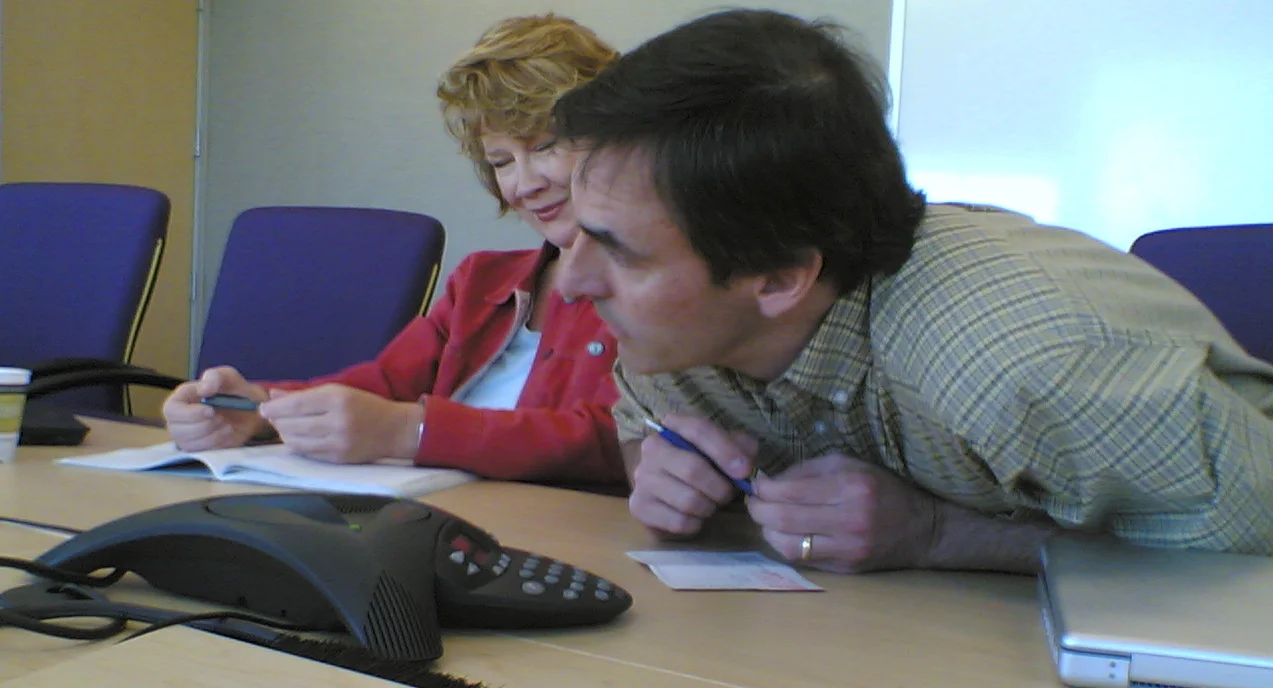
In recognizing that too many of our user stories were not truly ready to be implemented, I decided to revisit the entire path to grooming.
The Product Decision: Formalize the team's story preparation process leading up to sprint planning.

Flickr image source: http://tinyurl.com/ogerhjp
In recognizing that too many of our user stories were not truly ready to be implemented, I decided to revisit the entire path to grooming
For months, I had been watching the Product team wrestle with getting their particular features out the door and in front of our customers. And it wasn't just one PM who was struggling or an exceptional delay in delivery - it was borderline chronic. More often than not, I could trace the issues back to poor preparation by the Product team.
I have been working with our entire tech team to continuously improve our own Agile development process and we certainly have more work to be done. But the problems I needed to address were further upstream, before the stories entered the Engineering and QA queues. The Product team was creating unnecessary thrashing by failing to do our part well.
What drove this decision
When your product releases are scheduled less frequently (think months apart vs. weeks), there is a greater impact when you miss a delivery date. I was frustrated at having to drop features from a release because they weren't ready or seeing enhancements slip to the next sprint.
And while it is tempting to spread the blame across the myriad variables that go along with shipping product software, I became convinced that my own Product team had to step up to support our share of the contract.
Some product planning failures are easy to measure. Are features not being completed? Are your stories slipping over successive sprints and even releases? Are your Engineers and QA teams stalled waiting for last-minute clarifications around designs and requirements?
The decision: Formalize the team's story preparation process leading up to sprint planning
The bad/good news was that we had accumulated sufficient instances over the past few months to see some a pattern emerging. Early on, we tried using note cards and a whiteboard to better track the larger product initiatives over sprints and releases. This seemed promising at first, probably because the team appreciated an exercise that was both tactile and collaborative. But we ultimately failed to capture any incremental advancement of any initiative using the cards. Moving the cards across the board from sprint to sprint didn't make us better at preparation and worse, this exercise did not help us identify deficiencies in the planning process.
We needed a different approach, one that helped us focus on maturing product requirements BEFORE we gave them to the team. We needed a better product grooming process that preceded the actual backlog grooming sessions.
Plan of attack
The tactics described below were prescribed only for our larger product initiatives and would likely be overkill for bugs and smaller feature enhancements. We began by focusing on the problems that occurred most frequently, then folded in additional steps to mature the pre-grooming process.
STEP 1 - Include the fully baked UX designs
Perhaps the most obvious problem for our team was that we were often scrambling to get our front-end designs in place by the time the Engineers were ready to estimate the level of effort. We had become less and less stringent about completing the UX work and ensuring that formal designs were attached to a story or epic prior to backlog grooming or worse, sprint planning.
The lowest hanging fruit, then, was to re-establish this specification for all our user stories. Going forward, no stories would be allowed into a backlog grooming session unless the designs were complete. Obviously, there is no real definition of "fully baked" as teams will inevitably tweak designs during development and even testing but this was a relatively easy first stake in the ground.
STEP 2 - Review the acceptance criteria with internal stakeholders
I'm of the mindset that you can never stop improving on your ability to define product requirements. I encourage my Product Managers to continue to work on this skill with each new assignment. But there is an easy to tell whether you are actually improving or not by gauging how often your stories are being kicked back by the Engineering or QA teams.
Flickr image source: http://tinyurl.com/le8jhxv
And even if you are scoring well with these groups who are much closer to the code, you probably have other stakeholders inside the company that can help you measure your aptitude. In our organization, the Sales Engineering and Professional Services teams are great early sounding boards. Another important group (for us and most organizations) is the Customer Support team. Each of these groups is intimately familiar with your customer base and can help validate how well you have done in capturing the happy path(s) and the larger set of user variations.
In our updated process, we have a specific gate for reviewing stories or at least the acceptance criteria with our internal stakeholders. This has the additional benefit of not catching them off guard during a Release Preview for example, when the feature is already "complete".
STEP 3 - Weave in usefulness testing with end users
When it comes to testing products with end users, excuses usually outnumber opportunities. Like most Product teams, we would prefer to have more time to spend with our customers but scheduling these interactions always seems more difficult that it should be. Still, the team and I firmly believe this is a critical part of the grooming process - especially as the requirements and designs come together.
Going forward, we have made this an explicit stage in the lead up to backlog grooming. Of the steps listed here, it is the most challenging to implement but will likely have the biggest payoff. I can think of nothing better for removing doubt and minimizing surprise than having end users validate your product throughout your development process.
The impact
The Product team is still adjusting to the new approach although we all recognize the improvements that will come with better story preparation. We've already seen some of those benefits: in the past few weeks, we withheld a number of stories from backlog grooming that had not met the new criteria, saving us hours of guaranteed thrashing with the Engineering and QA teams.
Additional refinements will be necessary. As we advance and extend our customer research and user testing, we will introduce new gates in an effort to further solidify the product features and push them through our Agile process.
Look for more reports from theProductPath around product validation, backlog grooming, and product culture here on PM Decisions.
More articles from our blog PM Decisions

In a dauntless attempt to answer the near ubiquitous question, "What does a Product Manager do?", I decided to dedicate an entire year to recording and sharing my own journey down the product path.
The Product Decision: Contribute to the growing body of knowledge by sharing weekly accounts of my on-the-job product experiences as the Head of Product for a late stage startup.