
Balance give and take, yes and no, push and pull with products
In a week that seemed to bring every form of product choice a PM can encounter, I decided to exhibit strong product leadership on every front.
The Product Decision: Use each and every opportunity to demonstrate solid product governance.

In a week that seemed to bring every form of product choice a PM can encounter, I decided to exhibit strong product leadership on every front.
Most Product Managers are continuously making choices about what goes into the product and what stays out. We use tools like the product roadmap to break down and convey these decisions over appropriately-sized release cycles.
Senior PMs also have to make choices about which Product Manager works on what parts of the overall puzzle and how best to coordinate dependencies across all the pieces to deliver the larger solution in a timely way.
We make difficult choices about what we feel comfortable promising to the Sales and Marketing teams who are busy prospecting for future customers that will bring in new revenue.
And Product Managers have to make critical choices about how to balance the perfectly usable product with what's feasible given the available technical resources as well as other constraints that are also in play.
It is rare, in my experience, that a Product Manager is faced with all these choices in the span of a single week. This was one of those rare weeks for me.
What drove these decisions
We are closing in on the end of the calendar year and that is affecting each department differently:
- Can we close these deals before the quarter ends? Our Sales team is a rush, scrambling more than normal to close their deals. Sales leadership is pushing everyone to go a little faster and be more aggressive with their prospects.
- What can I tell my customers who have "urgent" questions about next year's product developments? Our Professional Services and Support teams are trying to work with existing customers who can't seem to wait for the future product enhancements that might be just around the corner.
- How will we grow the Product and Tech teams to meet the demands of the business? Our senior management team is trying to lock down schedules and budgets in the planning for next year, hoping to align individual departmental recruiting and hiring plans.
- Did we get as far as we wanted? And of course, my own Product team is doing some reflecting on our efforts over the past year as we think about changes we want to make in the coming year.
As I said before, this is a unique time of the year where Product Management, like other departments, is feeling an increase in pressure to respond to our customers, our fellow employees, and our stakeholders. But I felt more impact during this particular week as I fielded product-related solicitations from every corner of our business.
The decision: Use each and every opportunity to demonstrate solid product governance.
In a recent, rather insightful exchange with a PM peer, I was made even more aware of how broadly the Product team's decisions will radiate outward to the rest of the organization. For example, the product priorities can influence deals in the Sales pipeline, ideally in a positive way, as we build trust with prospects around the upcoming roadmap commitments.
The choices we make will also impact how the Professional Services team and the customers do or don't utilize our products to solve their problems. In too many situations, I have seen product/platform deficiencies spark some creative workarounds, many of which create even bigger complications for me as I inevitably roll out future product enhancements to address the feature gaps.
I was made even more aware of how broadly the Product team's decisions will radiate outward to the rest of the organization.
Our decisions can also lead to new technical debt (knowingly or unknowingly), that will someday impact downstream engineering work.
Like every Product Manager, I carefully weigh the impact of my decisions with exactly these outcomes in mind.
Plan of attack
While I was still intent on pushing forward with my own Product agenda, I tried to be conscious of the respective priorities and stresses of each department with whom I came in contact. In each circumstance, I looked for a way to balance the needs of all parties while still doing what I thought was best for the long-term health of our business.
Along the way, I also found opportunities to revisit and improve my own methods.
Give a product, take a product
This week, I passed over the ownership of a new product to a very capable PM and was thrilled to see him deftly receive the hand off. It was a big relief for me to be able to move the effort safely off my plate, but it was even more satisfying to watch an experienced Product Manager run the entire exercise without any oversight. I am confident that this decision will help the company deliver the new product to customers according to the original plan.
During the same week, I pulled a separate product initiative away from a different PM on my team, partly because I needed him to focus on (and finish) a separate project. But I was also concerned that the initiative was not advancing at a good pace, which was going to negatively impact a large percentage of our customer base. This was the harder of the two product ownership decisions, but the needs of the customer ultimately prevailed.
Saying no and saying yes to customers
This week, Sales pulled me into two high-profile customer conversations where strategic outcomes were partially dependent on release dates outlined in my product roadmap. In the first case, I knew our teams were ahead of schedule which prompted me to confidently confirm to the customer, "yes, we will absolutely hit those dates for you."
The second conversation didn't go as well. I began the discussion by asking questions meant to help me discover exactly what this organization thought they needed. It didn't take long for me to recognize their request though, as it frequently shows up in competitive sales situations as an obvious land mine strategically placed by another prominent vendor.
My attempt to point out to the customer that they had been misled was not well received. They persisted by parroting their "needs" to us and pinned me down by asking if I had plans to deliver features to address their problem. I said, "No, we do not currently have such a feature and I have no plan to deliver that in the next year. Specifically, it is not on the product roadmap."
After that call ended, I found myself in some heated discussions with our Sales team who was not altogether pleased that I had been so blunt with the customer. I reflected on this for some time and later came back to apologize and to say that I would try to soften my answers on future such calls. Indeed, I would need to learn better ways of saying "No."
Push and Pull Priorities
This week, I also sat with the CTO to have several talks about our product plans for next year. We agreed that the teams would need to spend more time on product deficit in the months ahead but recognized that it would impact our ability to keep up the pace of innovation in terms of customer-facing features.
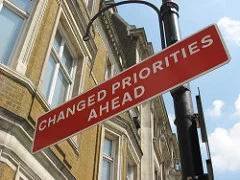
Flickr image source: http://tinyurl.com/qhw8hzf
In a simple whiteboard exercise, we were able to list more than 20 separate initiatives that needed prioritization and ultimately reorganized a number of the items on the product roadmap.
Some of the short-term, scale-related items would ultimately pay off for all of our customers even if they couldn't be demoed in a webinar or training course. Many of these projects were overdue as parts of the underlying platform were in need of repair or rebuilding to handle the next wave of new users.
I can appreciate the need for ongoing investment in the plumbing, in the supporting architecture and all the frameworks on which our products are built. I understand how the resulting performance of the applications contributes to a positive user experience. Still, it can be hard to sell that to the other stakeholders in the company who can't readily appreciate the improvements. Part of my job in the coming months would be to help extol the virtues of those investments to impatient parties who crave more visible features.
The impact
I left out many of the other events of the week that included making some necessary personnel changes, planning for an upcoming office space shuffle, and recovering from the annual holiday party. But the net impact of the decisions I described above were ultimately positive for the company. I am confident that we will end the year strong and will have an even better, more productive product year ahead.
Look for more reports from theProductPath around capacity planning, managing stakeholders, and PM credibility here on PM Decisions.
More articles from our blog PM Decisions


Product-ive roadmapping for the holiday slowdown
As we head into the end-of-year home stretch and the inevitably slower holiday period, I decided to make some roadmap adjustments to ensure we would finish the year strong.
The Product Decision: Line up a collection of smaller stories, projects, and research to advance roadmap initiatives and to keep the teams productive.

Flickr image source: http://tinyurl.com/q6koct4
As we head into the end-of-year home stretch and the inevitably slower holiday period, I decided to make some roadmap adjustments to ensure we would finish the year strong.
It is difficult for any team to plan well for last few weeks of the year. Even if your business doesn't align with the traditional calendar year, you are likely to be working with customers, partners, and vendors who do scramble to wrap up their quarters and annual cycles at year's end.
On top of that, many of your employees are requesting time off from work leaving sizable gaps in the schedule. And you can just give up on trying to arrange any real business-related travel plans, e.g. to visit customers or to conduct on-site interviews.
With all the distractions that come with the holiday period, I began to ask myself how I could make the most of these remaining weeks of the year.
What drove this decision
We had been moving at a nice clip for the past few months. I was proud of the work being cranked out by the Product and Tech teams. We had achieved some good momentum and I was eager to preserve as much of that as I could. Many of the current projects would naturally extend into the early part of next year and I was determined to minimize any slow down around these particular initiatives.
We had achieved some good momentum and I was eager to preserve as much of that as I could.
But I also knew that it would be difficult for teams to coordinate larger tasks if their coworkers' schedules were inconsistent. With all that in mind, I took another look at the product roadmap to optimize our efforts for the last few sprints of the year.
The decision: Line up a collection of smaller stories, projects, and research to advance roadmap initiatives and to keep the teams productive.
I don't want to make it sound like the teams would otherwise be idle. We had just deployed our last major release of the year and I knew we would have some post-release work to tackle. For example, it was going to take some team coordination to gradually and prudently roll out some of the latest enhancements to the full customer base. Then there was the need to respond to users who would be wrestling with the most recent product changes. And of course, we are always prepared to deal with any bugs that may have slipped through.
The real challenge for me was to identify new product work that we could take on and to fit it into our irregular schedule.
Plan of attack
My goal was to maximize the collective team utilization and minimize any dead spots in the upcoming calendar. No one would be satisfied with blatant busy work and yet, it would be difficult to make much tangible progress on any new product initiative. I, more than anyone, wanted to feel like we had been productive during this time.
I determined that no one solution was going to work so to increase my chances of success, I ended up using several different approaches simultaneously. In the end, I was able to surface a number of smaller-scale projects to accommodate the various gaps in the teams' schedules.
Lay the remaining groundwork for next year's new product offering
Over the last 8-10 months, we had been working on a number of smaller, separate initiatives that were intended to fit together to create a larger, cohesive feature set. However, unless you had been working closely with the Product team, it would be difficult to see how the individual building blocks we had been delivering over many releases were meant to come together. This was the time to explain the broader vision.
I began by updating the product roadmap to illustrate how we would piece together 4 or 5 of the individual initiatives to create a major new offering to be rolled out in the early part of next year. Then, I scheduled new stories that would ultimately combine the separate components into a new whole. I had already convinced myself that this was going to be a thing of beauty but of course, I have been wrong before!
After we had finished connecting the dots (and bytes) and had painted the whole picture, we would be able to move forward by putting it in front of our users. I would continue to validate the new offering by testing it with our internal stakeholders, with customers in our Labs program and finally with prospects in the Sales funnel.
Tee up a list of discretionary items to fill downtime
Without even looking closely at the calendar, I knew we would have a week or so before the start of January where the Engineering ranks would be somewhat thin. My counterpart overseeing Engineering agreed that we could declare a "free sprint" where the developers would have more latitude in how they spent their time in the office.
I had a decent backlog of research topics that I lined up in case the well of ideas ran dry but I was pretty sure the developers would surface their own pet projects to keep themselves occupied. We continue to see some forward-thinking proposals come up through Engineering and I certainly wanted to encourage more of that activity.
I was pretty sure the developers would surface their own pet projects to keep themselves occupied.
There were, in fact, a few out-of-band product initiatives that were already in motion, and all in different stages of completeness. Those Tech Team members that had expressed an interest in exploring extracurricular material had been encouraged to do so with the intention of tying the work back to short- and/or long-term customer value. Based on the success of those efforts, I could easily extend the initiatives and even stage a few more to follow.
Swap in some overdue projects to tackle technical debt
The company has had a banner year in terms of acquiring new customers. But the reality of growing your customer base and increasing the number of users/transactions on your platform is that scale-related challenges bubble to the top. Inevitably, I would need to schedule some cycles for the less glamorous housekeeping activities.
Every software company has technical debt and it requires discipline to stay on top of that debt. I am always grateful to find those few Engineers that appreciate the value of cleaning up and are quick to roll up their sleeves (can you roll up t-shirts sleeves?) and pitch in to help. We would use this end of the year time to tackle a few of these efforts as well.
The impact
It can be tricky for a Product Manager to figure out how to best utilize the weeks at the end of the calendar year. I looked for some small, but important projects that would move us forward but that had few, if any dependencies to avoid schedule impediments.
In using these three approaches: the free sprint, more "groundwork" stories needed to assemble the next product offering, and addressing technical debt, I was able to stock the upcoming sprints with productive work and reduce everyone's concerns about holiday dead time.
Look for more reports from theProductPath around capacity planning, roadmap planning, and managing product teams here on PM Decisions.
More articles from our blog PM Decisions




Prep teams for upcoming trade show
Knowing that our most important industry trade show was barely a month away, I wanted to do my part to make sure we were adequately prepared and that our products were positioned to show well at the event.
The Product Decision: Kick off early planning for the show to synchronize all the product-related activities across departments.

Flickr image source: http://tinyurl.com/pynmbgf
Knowing that our most important industry trade show was barely a month away, I wanted to do my part to make sure we were adequately prepared and that our products were positioned to show well at the event.
Trade shows can be ideal opportunities for Product teams. If your company registers as a vendor, you can take advantage of your booth space and deploy an engaging team to help introduce new products and announce exciting new features to people cruising through the exhibition hall maze.
You may also gather lightweight customer data from the dozens of rapid conversations your booth team will have with passers-by. If you have already nailed your target market and are promoting the right product messages ahead of time, some may actually seek you out as they wander the aisles.
Even when you don’t have a booth and are just registered as an attendee, you can still take advantage of the fact that for a few days at least, a highly concentrated population of your potential customer base will be under one roof. With enough planning, you could still set up meetings with key prospects, industry analysts and partners. You should also carve out some cycles in your schedule to gather information to update your intel on the competition.
I wouldn’t exactly call us trade show veterans but over the years, we had steadily improved our collective efforts. This year, I wanted to raise the bar even higher, especially for my team.
What drove this decision
This annual industry event precipitated our biggest marketing campaign of the year and we intended to pull out all the stops. We started setting up meeting schedules with customers and prospects weeks in advance and of course, were busy making preparations to lure in new contacts and leads. That meant crisp product demos that hit all the right notes. We needed to highlight the latest improvements to our story in a concise but captivating way to increase our chances of engagement.
Most of our close partners would also be in attendance and the show would provide us with an opportunity to reconnect with them as well, exchanging updates and looking for new integration or implementation options to serve our joint customers.
This was going to take some coordination - none of it was going to just happen magically.
The decision: Kick off early planning for the show to synchronize all the product-related activities across departments.
We needed to highlight the latest improvements to our story in a concise but captivating way to increase our chances of engagement.
I don’t think it’s wise to pin all your product/sales hopes on a single event but I have seen first hand how a large industry event like this can become a natural rallying point for the Product, Marketing, and Sales teams.
I had already coordinated our next major product release to line up with the event dates so that we would have exciting new announcements to share at the show. That was a good start.
To make sure we would get the most out of the show, I would need to circle back with other departments to work on making all the other pieces fall into place.
Plan of attack
With good preparation, we would likely have hundreds of opportunities to tell and sell our story to a mostly captive audience. I wanted to support our company's collective efforts and put our products directly in the spotlight. That meant having persuasive product demos, queuing up notable product announcements, promoting influential partnerships, and more.
I also had to make sure my own team would be taking full advantage of all the available resources at the show.
Review product demos with the Sales Team
I started by spending some time with our Sales Engineering team to review the product features that I thought should be highlighted to create compelling demos for the traffic we would see in both the booth and in our private meeting rooms.
We rely on Sales Engineers to help execute the technical part of the B2B sales process. Together with the Sales Reps, they will tailor and deliver product demonstrations based on a joint understanding of the customer's needs. At a busy trade show we don't often have the time to fully qualify leads and so we have to tweak our methods.
In recognizing that most attendees would not be able to spend more than a few minutes with us, we optimized the familiar customer story to have even more impact in a shortened discussion.
Confirm launch plans for a new product

Flickr image source: http://tinyurl.com/nghc5jl
Our big theme for this year's show was around the launch of our new mobile application. My partner over in Product Marketing had started orchestrating a full communication plan which would culminate in a product unveiling at the upcoming event. Aside from being able to show off the product itself (see Demos above), I wanted to make sure all our messaging was on target.
We had also been seeking out opportunities to further promote the new product outside of our own booth. For example, we applied for and were awarded a special "innovator" designation in the vendor listings. We also secured a coveted time slot to present at one of the show's more prominent venues where I would have much more time and resources to advertise our newest offering.
Finalize partnership integration announcements
Through discussions with a few of our strategic partners, we had determined that the trade show would also be a great time to create some joint buzz. One integration partner, for example, was going to use the show to significantly step up their own presence and our company had a part to play in that upcoming marketing blitz.
With another partner, we focused on a more tactical story. Rather than each of us independently promoting our own products, we agreed to highlight product integrations and the success our customers had realized by using our respective public APIs. Of course, it always helps to have these customers come forward and attest to our claims.
Synchronize agendas with the Product team
And finally, I sat down with my own team to review our strategy for consuming as much information as possible during the show. We walked through the complete list of formal sessions, scheduled workshops, and other informal gatherings to build agendas that would provide maximum coverage. It was tempting to completely fill up everyone's calendar but we also wanted to be able to accommodate spontaneous and unplanned events as well.
The impact
At the time of this writing, the trade show is still more than three weeks away. There will likely be many more details to work through before we all hop on airplanes and head out. I feel good about our preparation to date and will continue to push all the teams to band together to deliver a positive outcome for our company.
Look for more reports from theProductPath around managing product teams and getting out of the building here on PM Decisions.
More articles from our blog PM Decisions

Network with other Product Managers
Prompted by my search to find a new PM team member, I decided to reconnect with my local peers to converse on products, recruiting and more.
The Product Decision: Use my pressing PM search as a motive for networking with other Product Managers.
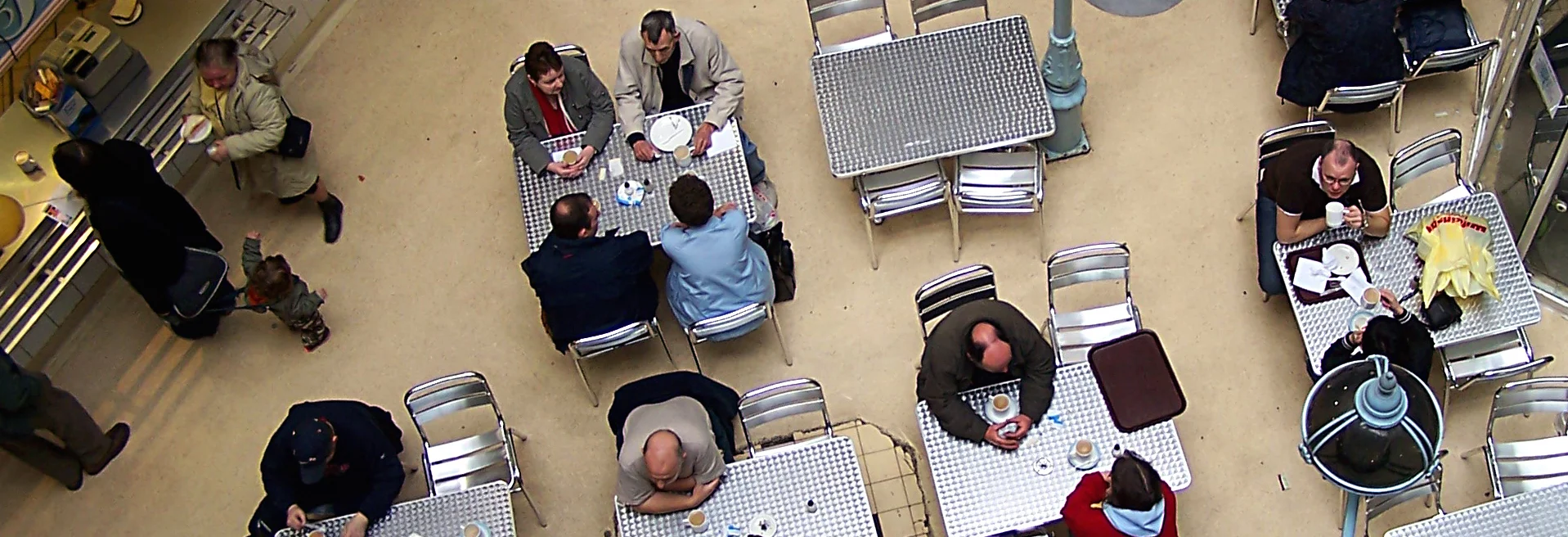
Image source: http://www.freeimages.com/photo/509114
Prompted by my search to find a new PM team member, I decided to reconnect with my local peers to converse on products, recruiting and more.
I had been so heads down for the past few months, getting up to speed as the new Product Head Honcho, that I had put any and all contact with external Product Managers way down on the priority list. Where would I fit that into the schedule? It had been challenging enough for me to carve out extra time to meet with our existing customers - and I knew I certainly couldn't defer that activity.
The invites to catch up over lunch and coffee had begun to pile up as I made excuse after excuse for why it was never a convenient time for me. But the truth is, I had been increasingly isolating myself from my peers. And these were colleagues who could help me validate some of my recent Product Decisions and provide significant insight into many of my current challenges.
What drove this decision
In a previous Product Decision, I had chosen to replace one the PMs on my team, which immediately shifted me into recruiting mode (typically an exhausting exercise). In an effort to minimize recruiting fees, I began my search by reaching out to my own network of Product Managers. This provided me with a great opportunity to reconnect with old friends, and through them, new contacts.
The decision: Use my pressing PM search as a motive for networking with other Product Managers
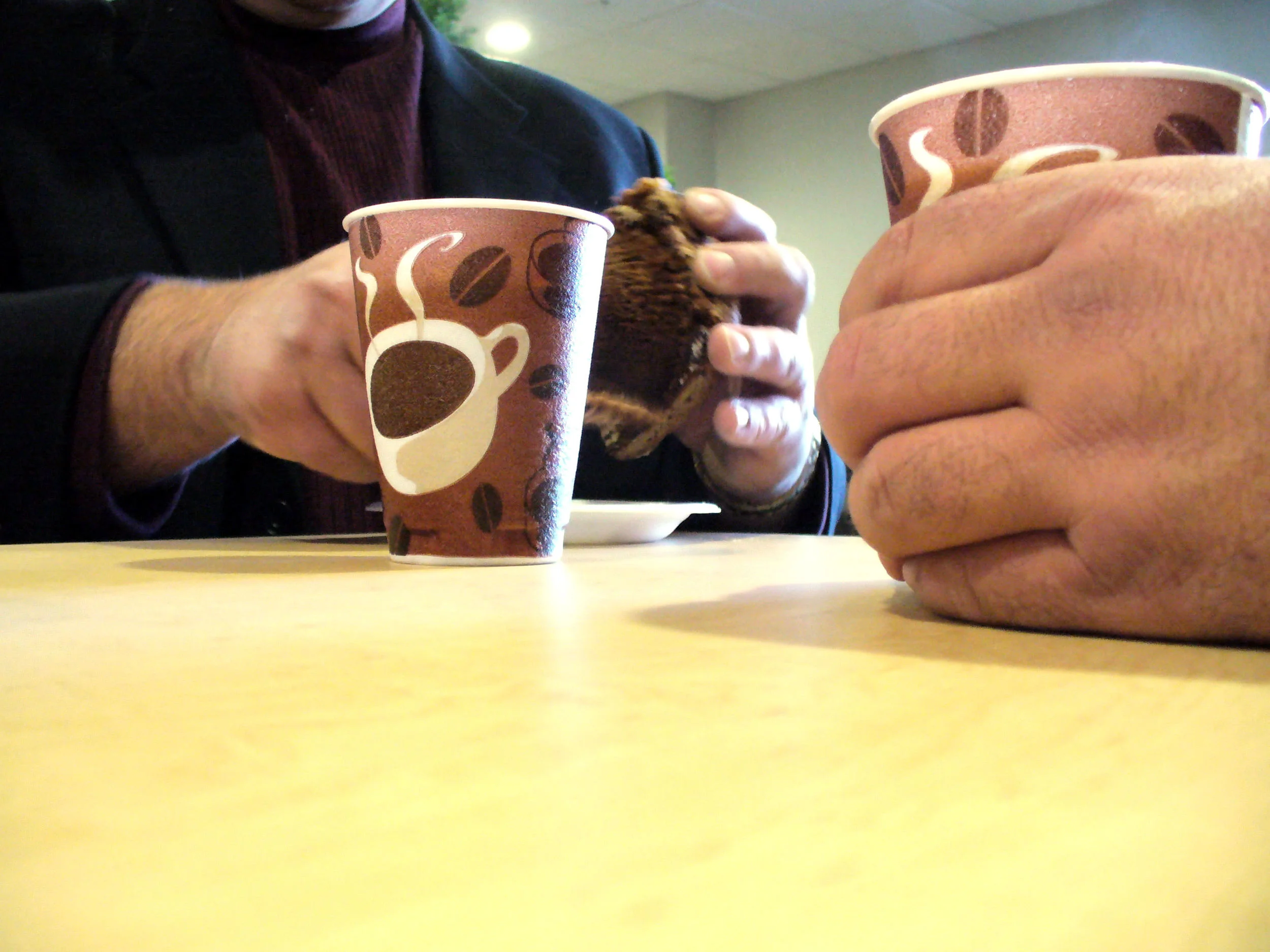
Image source: http://www.freeimages.com/photo/644967
I have found that most people like to feel helpful and are often flattered when asked for their opinions or for assistance with a particular problem. And, if talking shop over coffee isn't incentive enough, many professionals will gladly take time out of their schedule to help out a colleague, especially if the appeal is specific and reasonable.
In this particular case, I was hoping to identify suitable candidates to join my Product Team. By using my contacts to tap into the larger talent pool, I was confident I could accelerate my recruiting efforts. But I would also use the valuable face time to review a few of my past and future product decisions with these specialists.
Plan of attack
My first rule of professional networking is to make sure the meetings are productive for both parties. I began this post by declaring that I had very little spare time to spend outside my company. With that in mind, I began every meeting request with the assumption that my counterpart would likely be in the same position and would need some assurance that I would not be wasting his or her time.
So, aside from showing simple courtesy like confirming the meeting, arriving on time and choosing locations that would be convenient, I took extra care to make sure I was prepared for each discussion.
Provide a Job Description
The primary goal for these meetings was to cast a wider recruiting net and to identify viable candidates for my open Product Manager position. I tried to make that clear in the invitation in the hopes of prompting some early reflection. But because the PM role can be different in each company, I wanted to further clarify the exact type of applicant I was seeking.
I had chosen to defer posting the PM job description on our web site until we had exhausted other available channels so there was no link I could share with my colleagues. But rather than send along some "pre-requisite reading assignment" ahead of our meeting, I chose instead to bring along and share a hard copy of the job description. The physical document, as a take away from the meeting, was meant to keep my appeal for help top of mind - for at least a few hours afterwards.
Prepare a List of Topics for Gathering Feedback
As I mentioned earlier, Product people like to talk shop as much as the next person and truly, I was no different. Once we had moved past the initial pleasantries and discussed the open PM position at my company, I switched gears to pick their brains on any of a number of subjects that I had recently encountered.
I truly wanted feedback and advice on my own projects so in an attempt to make the discussions more productive, I formalized my thoughts and even created some specific questions on each topic - because as a PM, you should never miss a chance to improve your interviewing skills!
Offer Assistance in Return
Besides paying for the coffee or meal, which always goes over well, I also made sure to save time at the end of the meeting to switch the flow and turn the conversation around. I wanted to give my colleague the opportunity to share with me what was happening on their end. What product-related problems were they wrestling with? How was their team performing? Did they have some big product developments happening in the next few weeks?
And it never hurt to ask whether they were happy in their current job - sometimes you can get lucky and find a candidate in your immediate network.
“Let’s talk about you? Are you happy in your current job? Are they treating you well?”
Whenever the conversation turned to a problem or opportunity that I genuinely felt I could help with, I offered my assistance. And I made sure I followed up with any action items in my thank-you email.
The impact
I am pleased to report that through this PM networking activity, I did indeed identify several viable candidates and that accelerated our hiring efforts. But more than that, I was able to reconnect with and renew important relationships with many of my peers. I collected valuable, relevant insight from these professionals that helped me validate or in some cases, adjust some of the product decisions I was making. I was able to expand my own network a bit, a typical but always welcome side effect. And then of course, there was all the great coffee!
Look for more reports from theProductPath around the recruiting for the PM role and professional networking here on PM Decisions.
More articles from our blog PM Decisions


Upgrade the Product...team
In recognizing one of our Product Managers had failed to establish credibility with his peers and colleagues, I decided to refactor the Product team.
The Product Decision: Remove the ineffective Product Manager and use the new vacancy to update the entire Product operation.
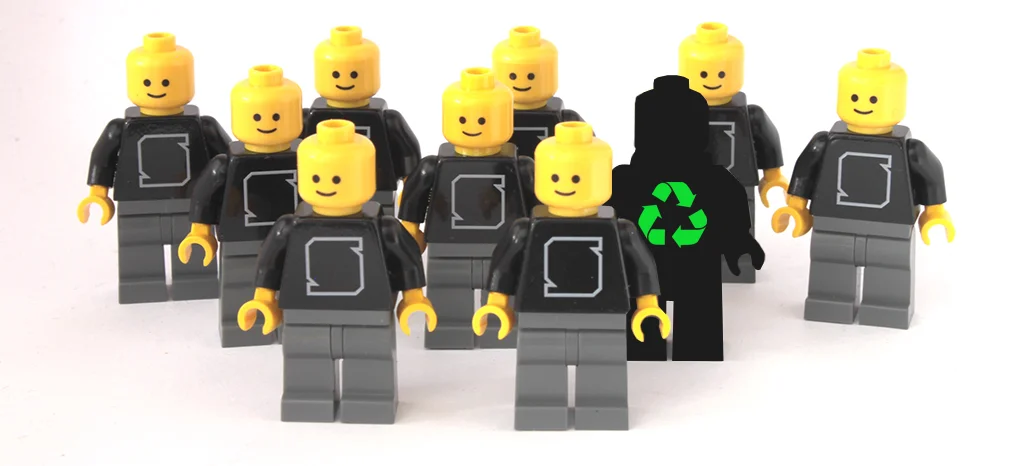
Image source: https://www.flickr.com/photos/drewmaughan/8685770869
In recognizing one of our Product Managers had failed to establish credibility with his peers and colleagues, I decided to refactor the Product team
The Product Manager role is a precarious one. What makes it particularly challenging is that to be successful, you must find ways of influencing other teams in the organization without having any direct authority over them. This is most critical of course when working with software developers or engineers who are the ones building your product.
Credibility is everything. In my experience, you must look to establish credibility quickly after joining a team and then continue to reinforce that with every new initiative. While there are many measures you can use to evaluate a Product Manager's performance, without a solid reputation, there is no foundation for success.
What drove this decision
I had been monitoring my team's progress for several months and was noticing that one of the Product Managers was struggling with their assignments. I had been supporting the PM privately through one-on-one coaching and also more conspicuously with peers and colleagues. I was looking for evidence that this person could turn things around. The PM needed to build rapport with other Product team members and more importantly, with the Engineers that were taking their direction from the PM.
After many weeks, it was very clear to me that the situation was not going to improve, that the Engineers had run out of patience and that this person was damaging the integrity of the Product team itself.
The decision: Remove the ineffective Product Manager and use the new vacancy to update the entire Product operation
Firing an employee is never easy. I don't like the stress it brings although I have learned some effective techniques that can make the whole exercise less painful for both parties. We do not have a large Product Team so losing even one resource would have a significant negative impact on productivity in the short term. In particular, the other PMs would be taking on additional work to keep our product plans moving forward.
In the past when I have had to make these personnel decisions, I have always struggled with immediate risks to the current project(s). There is a voice in my head asking, "How can we afford to lose a team member now?" But I have found it helpful to stay focused on the long term benefits and how an upgraded team would more than compensate for any short term momentum loss.
Plan of attack
Knowing about an impending personnel change ahead of time gives you an opportunity to better plan for the disruption. I don't know of any textbook method for tackling this but there are a few best practices I can share with others facing this same situation.
Communicate First to Stakeholders
As I mentioned previously, the Product Manager is a very visible role within the organization. Because the PM must make frequent rounds with Sales, Customer Support, Operations, and Marketing to stay up to date and also to communicate ongoing progress, they are often treated as honorary team members.
So the sudden absence of a team member, even an unofficial one can be unsettling for some groups. Removing the Product Manager from a Sales, Marketing or Support team can mean severing an important link to the products themselves. The PM often serves to bridge informational gaps throughout the organization. It was important to me to keep those connections open and productive during the period while we looked for a replacement.
To minimize disruption, I spoke with all the respective team leads prior to letting the PM go and those gestures were well received. I promised that my team and I would do our best to cover for any deficits and was pleased to hear corresponding messages from the other side of the table.

Image source: https://www.flickr.com/photos/funnyglowingsmurf/7625470418
SHORE UP IN-PROGRESS TASKS
There never seems to be a good time for orchestrating a smooth handoff, especially if the exiting party is unaware of the upcoming transition. I wanted to keep the in-motion product initiatives moving forward and that meant digging a little deeper into this PM's stories and tasks than I would normally have to.
And because this particular PM had been struggling over the past few months, I had even more to do to assess the deficiencies of the latest rounds of work. It took a few days to get a good feel for the situation and what I would need to do to redistribute the work during the interim while we were recruiting a replacement PM.
HEad Off Office Gossip
In most offices above a certain size, there is inevitably going to be some water cooler chatter about personnel changes. This is especially true when an employee is asked to leave versus choosing to make that decision on his or her own.
I prefer to handle the former with very little fanfare and save the goodbye lunches for the latter. To keep the whispers and rumors to a minimum, I spoke briefly to each department about the exiting PM and focused the conversation on our plans to bring on and ramp up a new, stronger resource to reinforce our commitment to the company.
The impact
You may have recently come across some prevailing advice that recommends young, fast moving companies fire fast and hire slow (see here and here for example). And while there is room for healthy debate about the idea of taking your time to find the right next employee, there seems to be near universal agreement about getting rid of dead weight as soon as possible.
I knew I had made the right decision but the lack of any real surprise from the rest of the organization made me wonder if I had acted soon enough. Nevertheless, there is general consensus that the company is now better off and we collectively looking forward to a new PM to strengthen the team and help move the product forward.
Look for more reports from theProductPath around PM credibility and managing product teams here on PM Decisions.
More articles from our blog PM Decisions

After a year's worth of lessons learned from all the good and bad product decisions I made as my company's Head of Products, I recognized that I would need even more help from the larger community of Product people in the months and years ahead.
The Product Decision: Advance my own professional product capabilities and better address the expanding needs of my company by tapping into the rich pool of talent and experience all around me.